6 Tips for Seamless Tree Removal
Tree removal is a high-stakes task that requires professional planning and execution to ensure safety and efficiency. While homeowners often consider managing their own landscaping, removing a tree for safety concerns or health issues involves significant risks that demand expert intervention. A successful removal not only addresses the present concerns but also ensures the long-term well-being of your landscape and property value without the liability of a personal accident.
1. Evaluate the Tree and Environment
The first step in professional tree removal is assessing the tree and its surroundings carefully to identify potential risks that an untrained eye might miss. Evaluating tree health and stability involves looking for signs of deep-seated disease or decay that might make the process more hazardous than it initially appears. Beyond the tree itself, professionals pay close attention to potential hazards such as power lines, nearby structures, and other vegetation that could be crushed. The proximity of the tree to your home can greatly influence whether the operation requires specialized rigging to avoid catastrophic property damage.
Consulting with a professional arborist is necessary because an expert's opinion determines the safest approach to undertake for a compromised tree. An arborist provides valuable insights into the tree's condition and recommends specific strategies to mitigate potential risks during the extraction. Often, there are unseen issues such as internal pests or structural limb weakness that only a professional's expertise can uncover through a detailed inspection.
2. Research Local Permits and Regulations
Before any tree can be removed, it is essential to research local regulations and requirements surrounding tree removal in your specific municipality. Different cities have varying laws regarding which trees are protected species and which ones can be legally removed from private property. Determining if a tree is protected involves checking local ordinances and possibly engaging with city officials or an HOA board to gain clarity on legal boundaries. Ignoring these regulations can lead to significant fines and legal consequences that are far more expensive than hiring a crew. Professional services often handle this paperwork, ensuring the removal process respects both the law and the local ecosystem.
Securing necessary approvals from neighbors or community bodies is a vital part of the tree removal process, especially if the canopy hangs over property lines. Engaging in community consultation highlights respect and transparency, which is vital in maintaining good neighborly relations during loud or disruptive work. Once all necessary permissions are confirmed, a professional service ensures you are fully compliant with the law before the first cut is made.
3. Identify the Best Timing
The timing of your project can significantly influence the success and efficiency of the entire operation when managed by experts. Determining the ideal season for tree removal is an essential consideration, as professionals know how different species react to being cut down during various growth cycles. During the dormant season, typically late winter to early spring, sap flow in trees is at its minimum, which reduces the risk of mess and the spread of certain diseases. Planning removal during these times contributes to the health of surrounding vegetation, as there is less disruption to the local ecosystem during the quiet months.
Weather conditions and forecasts are critical factors that professional crews monitor when scheduling your tree removal for the upcoming week. Ensuring clear and calm conditions minimizes the risk of accidents caused by wind or rain affecting the stability of the person climbing the tree. Severe weather can complicate equipment handling, and professionals have the experience to know when it is too dangerous to proceed.
4. Select Proper Tools and Gear
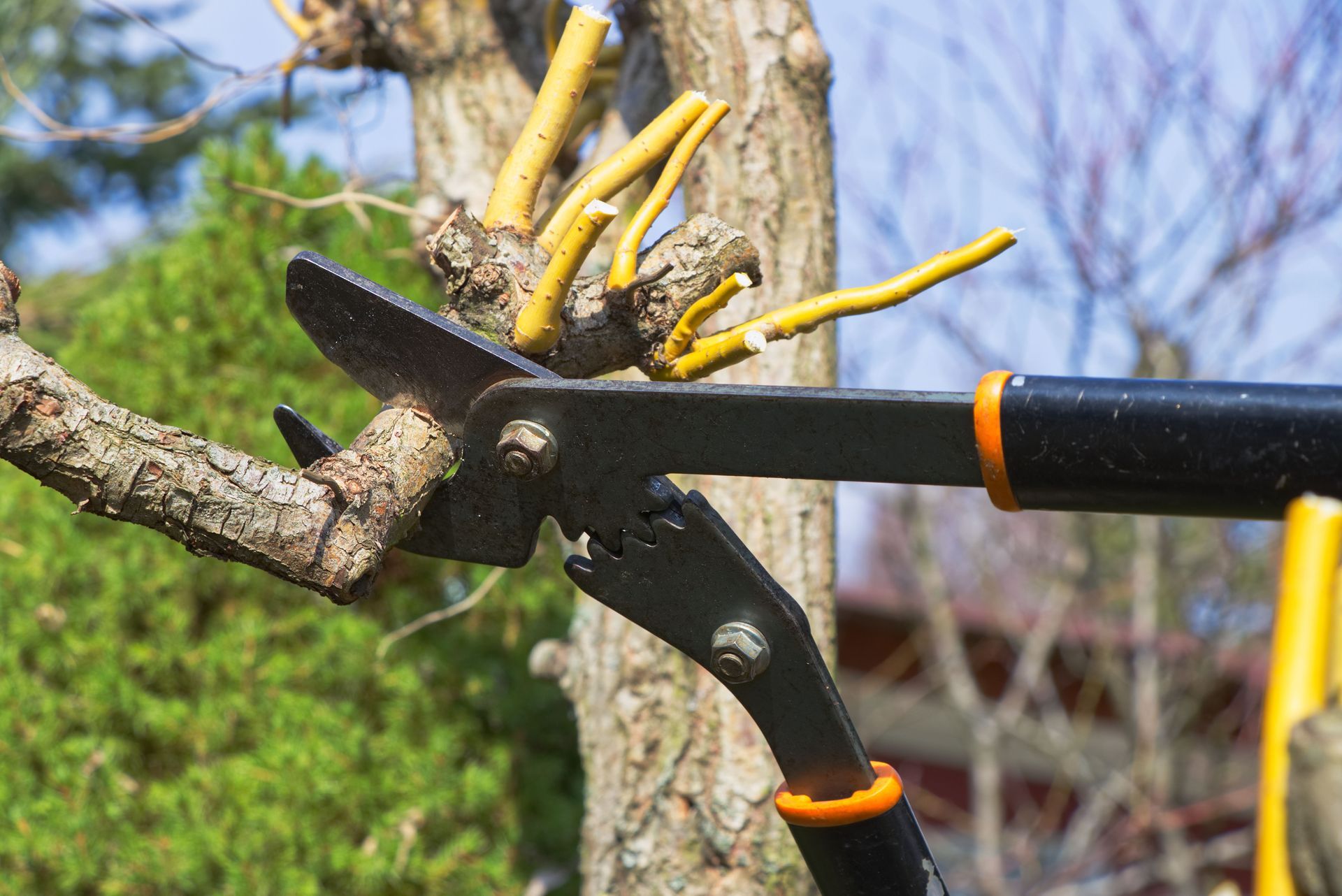
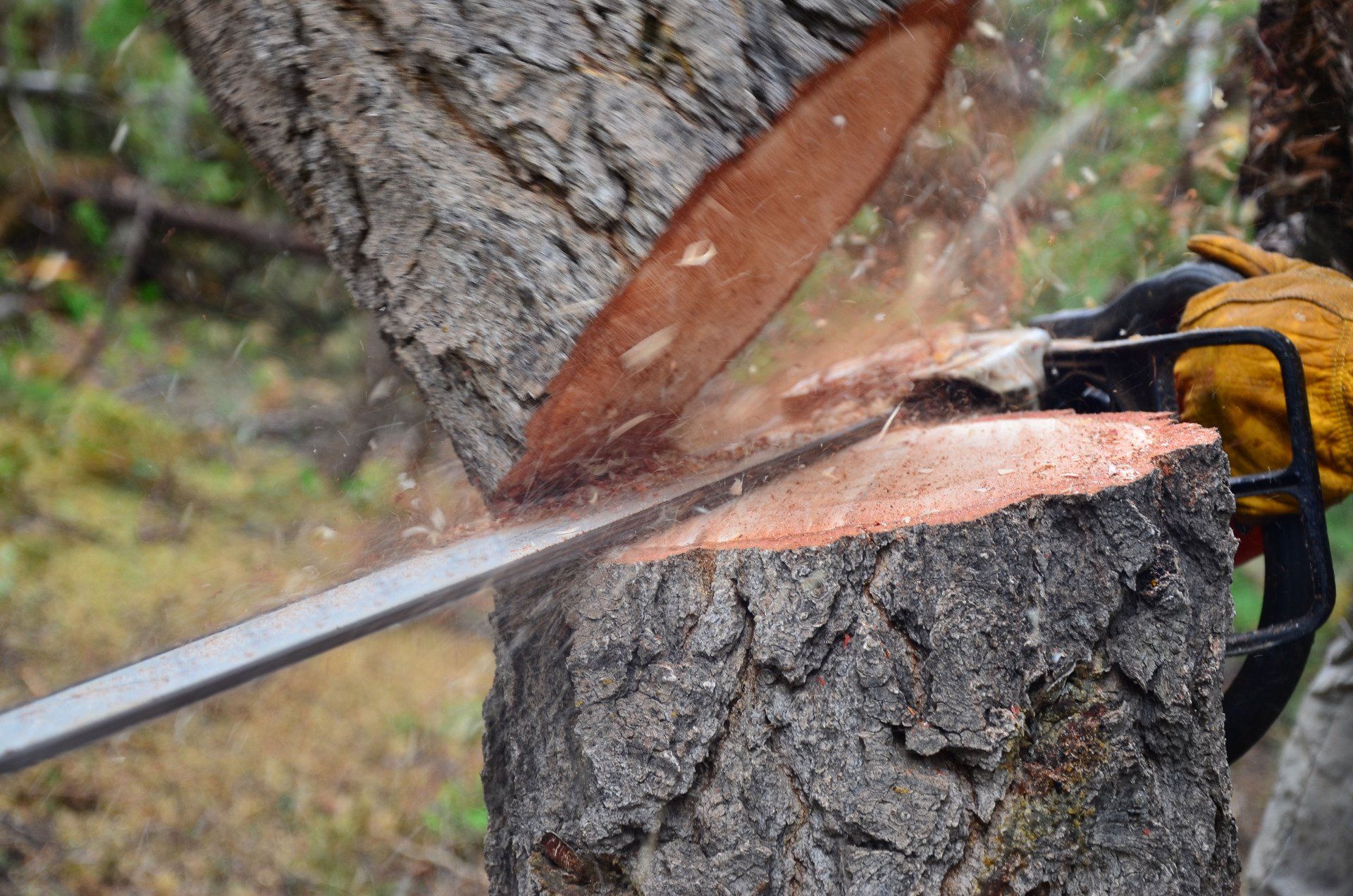
Compiling a list of heavy-duty machinery and specialized tools is a phase of preparation that makes DIY efforts extremely dangerous. While a homeowner might have a small saw, a professional tree removal requires high-powered chainsaws and rigging equipment that are checked daily for functionality. Organizing these tools ahead of time avoids potential interruptions and ensures that every cut is backed by the right power source. According to Clemson College of Agriculture, Forestry, and Life Sciences, lopping shears are the most effective choice for managing branches that are between one-half and one and a half inches in diameter. Regular maintenance by a professional ensures that these tools enhance overall productivity rather than causing failures.
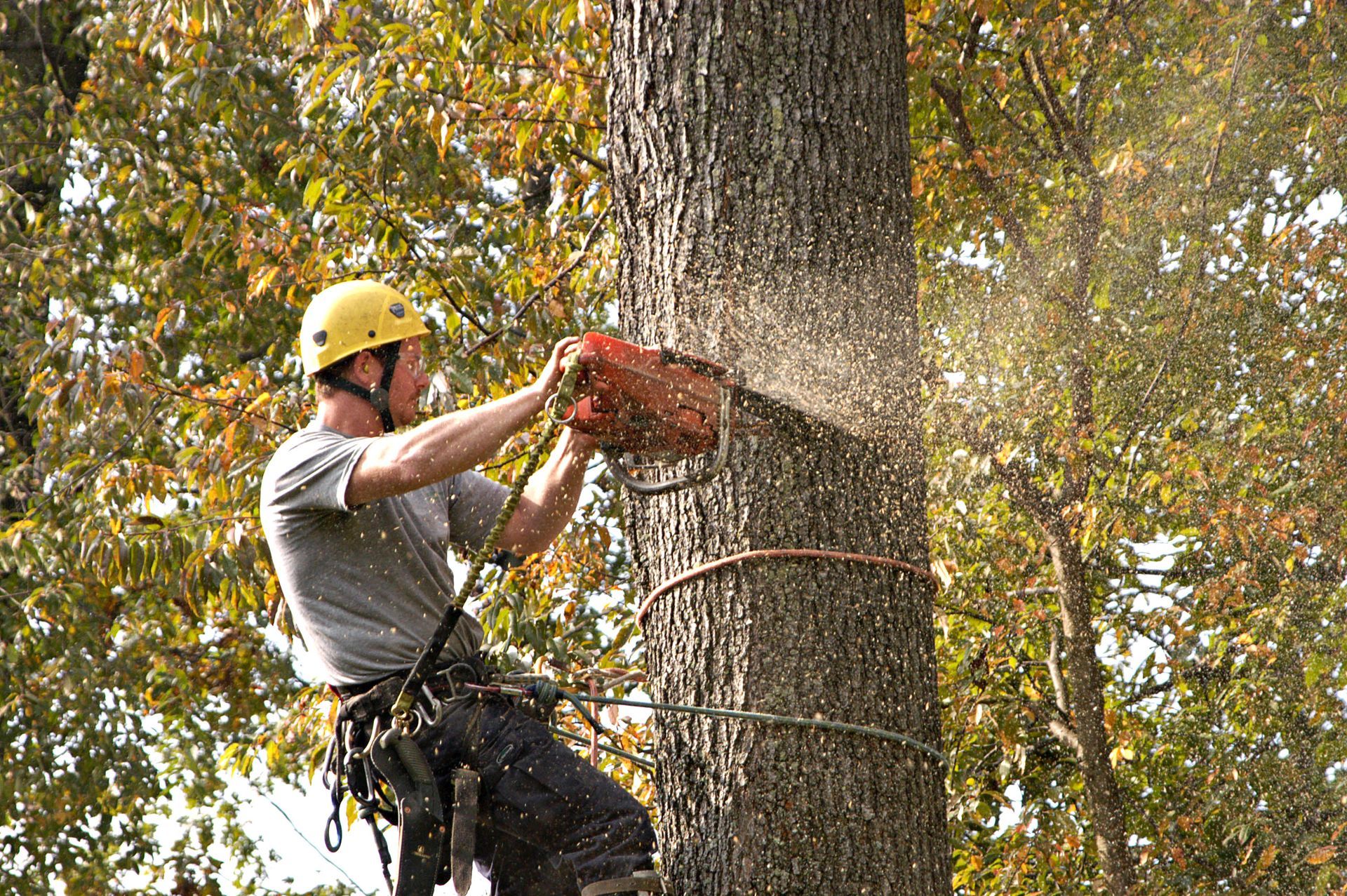
Safety is the absolute priority in any operation, making it imperative to use professional-grade safety gear and protective equipment. This includes personal protective equipment such as climbing harnesses, hard hats, and specialized eye protection to guard against high-velocity debris. Proper protective gear reduces the risk of catastrophic injuries from falling limbs, machinery noise, and sharp or splintered wood fragments. Expert crews also bring robust transportation and disposal methods to ensure that cuttings do not create clutter or hazards on the job site.
5. Establish Strict Safety Protocols
Establishing a safe work area and a rigorous emergency plan is essential to mitigate the high risks associated with tree removal. Professional preparedness involves marking off the area using barriers or caution tape to prevent unauthorized access and ensure a controlled environment for the crew. Additionally, an expert team's emergency plan includes established protocols for power line contact or equipment failure, which a homeowner is rarely prepared to handle. Training all team members in advanced safety measures further prepares the group for the high-pressure environment of a job site.
Effective tree removal involves maintaining clear communication among a trained team throughout the entire process of felling and bucking. Unlike a solo DIY attempt, having a coordinated crew with a dedicated ground person ensures a constant safety net for the climber. Communication devices, such as two-way radios or standard hand signals, ensure all parties can convey alerts promptly without shouting over loud engines. Using proper techniques for cutting is crucial; professionals apply controlled notches and leverage their experience to guide exactly where the wood lands.
6. Coordinate Execution and Cleanup
Developing a step-by-step plan allows for organized execution and minimizes the chance of a dangerous oversight during the final stages of the job. This plan should incorporate each stage of the removal, including initial rigging, main trunk felling, debris management, and a final site inspection. The professional tree removal process should follow these structured phases to ensure that every action corresponds to strict safety guidelines and strategic objectives. Depending on the size and location of the wood, experts utilize specific techniques, such as segmenting the trunk into manageable pieces for a controlled descent.
Implementing cutting techniques relies on a blend of precision, vigilance, and years of experience to avoid damaging your lawn or garden. As the crew engages in felling, maintaining a calm and focused demeanor allows them to make sound decisions under the pressure of shifting weight. Professionals ensure that adjustments to initial plans are considered when unexpected developments occur, such as unforeseen interior rot deep within the trunk. Proper execution aims to harness years of field expertise to navigate on-field dynamics, ensuring a seamless transition through each stage of the project.
Effective tree removal combines professional planning, specialized equipment, and strict safety measures to protect your home and family. By following the advice of experts, you can ensure that the process is executed smoothly and in total compliance with any local legal and environmental considerations. Choosing to hire professionals instead of attempting a dangerous DIY project is the key to a successful and injury-free outcome. Not only does it secure the immediate safety of your property, but it also promotes the long-term health and sustainability of your landscape. Contact us at A1 Tree Service LLC for expert assistance with your next project.
Share On: